
Bad marketing is easy to find. It’s all around us—regardless of whether we realize it or not. As human beings, we’ve learned to tune these intrusive marketing practices out. Full screen pop up ads? No thank you. Minute-long video ads (for a 20 second clip)? Get outta here. These has-been strategies are all about screaming the loudest.
With inbound marketing, you’re able to target your audience with personalized content that they’re actually interested in and actively searching for online. The problem is, a lot of businesses don’t understand the purpose of inbound marketing, or how to utilize it to its fullest potential. There’s nothing to fear as long as you’re able to devote the necessary time and effort to make a fully fleshed out inbound marketing strategy.
Let’s take a look at 3 inbound marketing misconceptions and why you shouldn’t listen.

Inbound Marketing Is Too Time Consuming:
Sure, if you’re adopting an inbound marketing strategy, you’ll have to put in the time to make sure your campaigns up to snuff—especially if inbound is new for you or your business. Small businesses may struggle with these new activities like blogging, emails, landing pages, SEO, and website adjustments. But time is money, and the more you put in, the more you’ll get out.
The real value of inbound marketing comes from improved ROI and the ability to track metrics across entire campaigns. In fact, Hubspot reports that 54% more leads are generated through inbound tactics than traditional marketing practices. And on average, companies who invest in inbound marketing save $20,000 per year versus outbound marketing. So there may be more work to do, but increased leads are worth it—and the numbers back it up.
Inbound Marketing Isn’t For Everyone:
Does every business need to use inbound marketing to generate sales? Of course not. But can every business utilize these practices to drive their sales and supplement their lead generation strategies? Absolutely. It doesn’t matter who you are… if you’re going after a targeted audience, inbound marketing can help you reach them in an authentic way based on their online searches and interests.
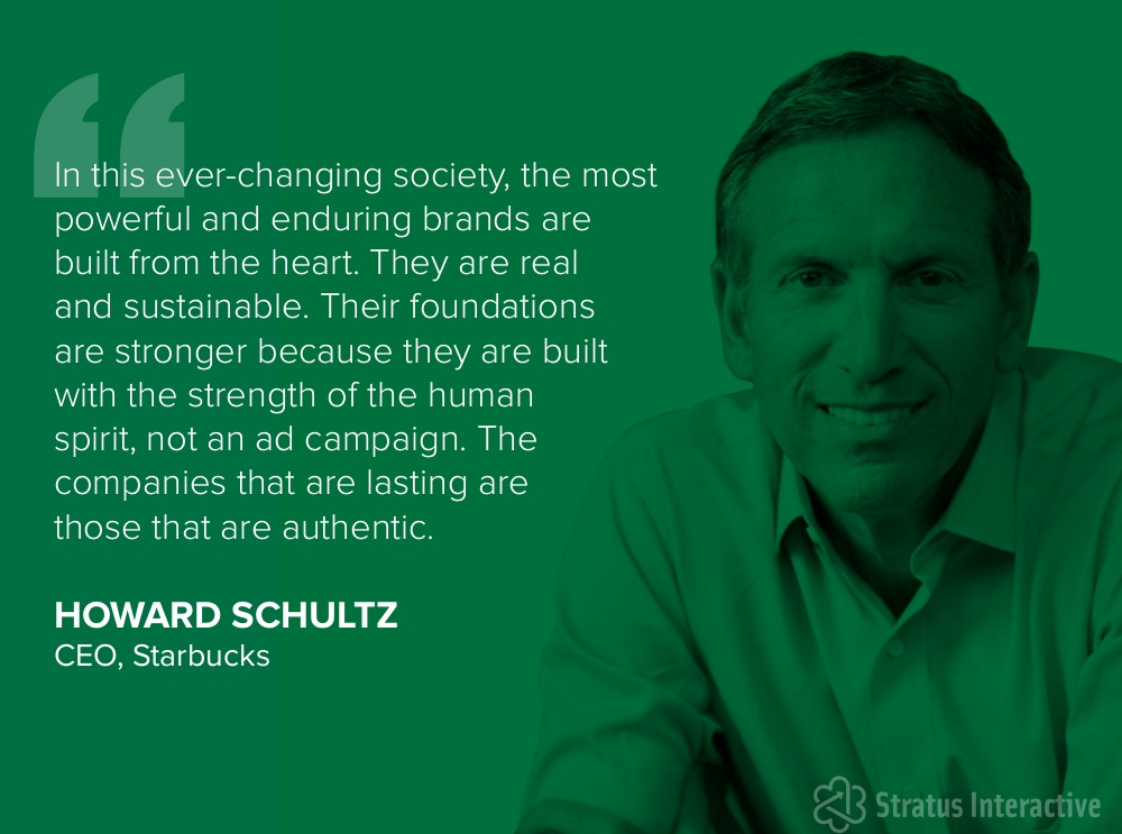
Through the use of social media, blogging, and targeted offers, you’re able to create content that compels your prospects to take action while establishing yourself as an industry leader on the subject. Just ask Starbucks or Apple—build a culture of leadership and authenticity, and your customers will reciprocate that with repeat business.
Inbound Marketing Results Take Too Long:
Well sure, there’s no magical inbound marketing button you can press for overnight sales success. Inbound marketing is strategic and involves many moving parts at once. All of these tactics are focused on generating leads, and they need to be implemented correctly for the best results. That’s because one of the trickiest parts in any inbound marketing campaign is figuring out how to keep your results improving on a consistent basis.
Remember, though: inbound marketing is a slow burn, and while your campaign results might start slow, the value will continue to grow as time goes on and more people are able to engage with it. By creating content that entices your audience, you’re able to re-share it over and over to capture new leads. Think of your extra online content as a 24/7 salesman who is always there for your audience. And once you realize that quality content generates 3x as many leads while costing 62% less than outbound marketing, you may rethink how long your results are taking.
The Bottom Line:
When you’re able to weed out the inbound marketing myths and misconceptions, it becomes clear that inbound is a proven way to enhance your marketing. For more tips and best practices on inbound marketing, make sure you subscribe to our blog!