A website can be pretty, but it’s main job is to be useful. It’s the age-old debate of form versus function, and there are endless scenarios where a single strategy isn’t working toward the desired results. However, in the case of most business websites, function is the primary concern. Think about it: you could redesign your ho-hum site into an visual masterpiece, complete with parallax scrolling, cutting edge typography, tiles, and more—but is the site generating leads? Is it helping you close sales? Is it providing a positive image for your overall brand? Because if it isn’t doing any of these things, it doesn’t matter how nice it looks—its failing. No worries though, we’re here to push you in the right direction.
Form vs. Function
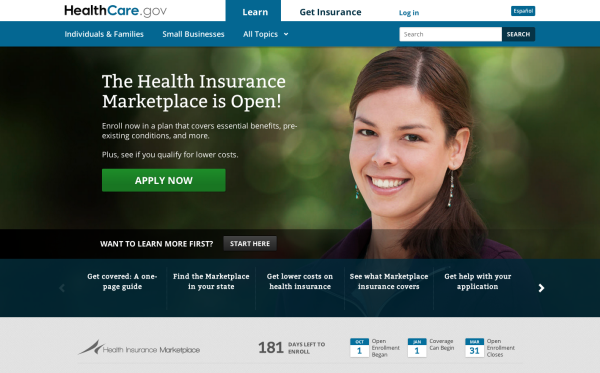
Here's a good example for you. Take this year's infamous HealthCare.Gov. The site design itself was clean, concise, and created in a way to help ease new-adopters into the healthcare process. The problem was, the site didn't work. It didn't accomplish any of the goals it set out to, and wasn't created properly to ensure an effective strategy. What was the goal? To sell healthcare, and it failed miserably upon its conception.
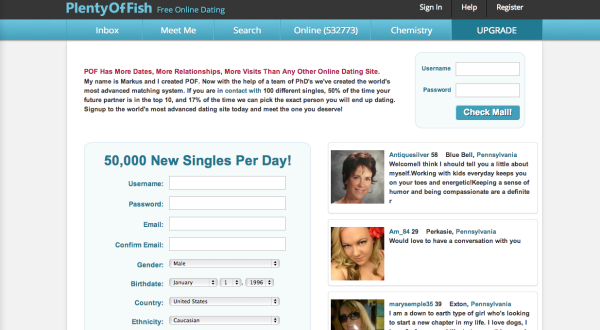
Now take a website like Plenty of Fish. The site is self-proclaimed ugly, and doesn't have the bells and whistles popular internet sites are used to. But it does everything it needs to do in order to be successful including, SEO, forms, and functionable content. And if being ugly while turning millions of dollars in profit is a turn off to you, you might need your vanity checked.
What Are The Main Functions of Your Website?
Answer The Basics:
When you’re building your company’s website, you need to know the baseline questions: Who are you? What do you do? How do you do it? Why should I (the viewer) care? It’s the first goal to creating a successful site for your audience to engage with, right? After all, you need to be able to answer these questions accurately, and succinctly to build trust in your brand. Credible content, the kind that isn’t over-generalized or a-dime-a-dozen, is a primary function of your brand website, and needs to be treated as such. Think of any websites you’ve been to where the writing didn’t help you understand what they were saying, or why you should be intrigued… what is the value to the customer? These are things you need to communicate to your visitors.
Website visitors have options in their favor today, so it’s imperative that you answer the above questions to get to the heart of why they should care, and what the benefits of engaging with you are. It may seem counterintuitive to focus on your site’s content first when discussing function, but once you build a clean content foundation, the rest of the process works in conjunction.
Build Your Brand with SEO:
As we’ve said time and time again, if you build it, they still won’t come. Remember, the Internet is content-overloaded, with blog articles, websites, and new startups popping up every second of every corner of the world wide web. Maybe even faster. But not all content was created equally—and luckily, you’ve made sure your website could answer the basics first. Right? Now that you’ve done that, you need to start building your brand awareness, with clearly defined goals and checkpoints. But, to do that, you’ll need to optimize your content so you get found first, and often.

There are many ways of doing this, but if you’re new to SEO, you’ll need to check out a beginners guide for a simple, yet fully-defined scope. Basically, SEO refers to your site content’s ability to get found through search engines. It doesn’t just magically appear in the top spot of Google—you need to use keywords, headings, social media, and more for an all-encompassing plan of attack. Getting found will help increase your brand awareness, as the higher your search ranking, the higher credibility your content maintains. But it doesn’t end there. Ranking is a continuously generating principle, and if you don’t work to continuously improve it, you may lose it.
Lead Nurturing:
So you’ve got this awesome website full of credible, relevant content, and now you’re ranking in some top spots on Google. The visitors are flocking to your website, and want to let you know they’re interested in what you’re selling. How will they contact you? Email? Cellphone? For many companies, the best practice in this situation is creating forms or offers to increase the interested party’s engagement with your brand. After all, increased engagement leads to increased lead conversions; people want to do business with companies they like interacting with, it’s a simple fact. So your job is to necessitate that for them.

Your job is to provide them with materials and content that aid them through the sales process and keep them coming back for more value-add information. By giving them reasons to engage, like:
- New Blog Articles
- Influential Offers
- Newsletters
- Webinars
These are great ways to show your audience that you care about them more than just numbers and dollar signs. You want them as an ally, because sometimes the best referrals are word of mouth, and if they’re telling others about your business or brand, it’s free publicity for you. It all comes full circle.
Tracking Analytics:
Let’s get right to the chase: analytics are the lifeblood of the successes/failures of your website. Without them, you’re bobbing for apples in the dark. Here’s why: for any business or brand, no cut-and-paste strategy will produce your best results. It’s a constant game of trial and error, what works and what doesn’t, and while your site may be able to track surface level stats, you’ll need better tools to delve into total vs. new visits, traffic sources (direct, organic, referral), conversion statistics, interactions per visit, cost per conversion, bounce rate—the list goes on and on. Yeah, it’s a lot, so having a platform that can track it all from a single source is vital to your website’s success.

These platforms like Google Analytics, Hubspot, and Marketo can integrate into your site to provide unparalleled data that you wouldn’t have access to elsewhere. They also automate the sales process, acting as an always available, 24/7 sales rep for your business or brand that make tracking your visitors simple and efficient. With automation platforms like these, you’ll be able to see how the full scope of your efforts work in tandem to successfully guide your visitors from click to close.