
Understanding metrics is vital to determining whether your marketing efforts are doing their job and what aspects of your marketing campaign may need adjusting. While your marketing consultants or your marketing department should be the ones to fully analyze and track the complete set of metrics for activity and results, it is only natural that you would want to see how the campaign is doing yourself. But with so many different metrics, it can be difficult to determine not only what each one means for your marketing campaign but also which ones you should care about. As marketing consultants, we spend a lot of time going through these metrics and know which ones can tell you some really important things about your marketing efforts. Below we outline some key metrics for any inbound marketing campaign and what exactly they indicate.

1. Monthly Growth
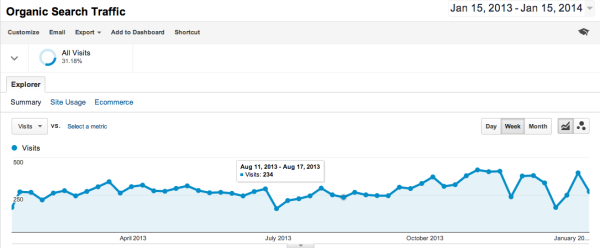
A good general indicator that your inbound marketing efforts are providing some results is tracking monthly growth in visits, leads and customers. Ramping up your inbound marketing tactics will certainly increase your website traffic. Traffic to your site can come from many different sources: organic search, emails you send out, social media, paid search, etc. All of these traffic sources can tell you something different. Segregating the traffic by source is a great way to get a truly accurate picture of where visitors are coming from and what tactics are providing the best results. In general, if you see your website traffic increase month over month to coincide with your marketing initiatives, you can rest easy that your marketing efforts are doing something.
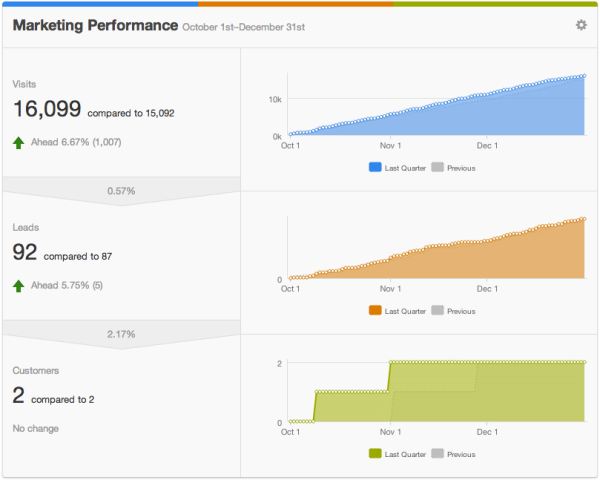
Attracting more visitors to your website is just step one. Tracking how much of that traffic is converting to leads and how many of those leads are converting to customers is an even better indicator that your marketing consultants are doing their job well.
2. Social Engagement
 Having a presence on social media is a great way to get your name out there and engage your audience. Engagement is key. You can have a ton of followers on Facebook, Twitter, Pinterest, Google+ but if these people aren’t engaging with your content, it won’t carry as much weight for search engines and it won’t bring more traffic to your site. A recent study on the state of inbound marketing by HubSpot found that social media actually produces double the marketing leads of trade shows, telemarketing, direct mail or PPC but it has to be done right. Social media can be a vital tool not only for getting increased traffic but also nurturing these social leads through the sales funnel but it all starts with engagement.
3. Visitor to Lead Conversion
How do you tell if your visitors are converting? Take a look at your visitor to lead conversion rate. This measures what proportion of your visitors are converting to qualified leads. A report from MIT reports that the industry average visitor to lead conversion rate is 1%-3%. If your conversion rate falls in this range, you’re doing well. If it doesn’t you may need to focus more marketing efforts on converting visitors to leads by creating more targeted content. Your marketing consultants can help you do this with CTAs, forms, and landing pages to generate leads.
4. Lead to Customer Conversion
So you’ve got the leads, now what? Find out if these leads are converting to customers by taking a look at your lead to customer conversion rate. This is the ratio of your leads that convert to customers and it tells you the extent to which your offers and lead nurturing is effective. The industry average lead to customer conversion is 2%-10%. If you are under 2%, you should contract your marketing consultants to spend more time developing workflows, email campaigns and other tactics to nurture leads through the sales funnel.

Metrics can tell you a great deal about your inbound marketing progress and success but you have to know what you are looking for and what it all means. Your marketing consultants can help to fully analyze these metrics but it certainly doesn’t hurt to have a working knowledge of monthly growth, social engagement, visitor to lead conversion and lead to customer conversion.