
As we mentioned last week, an effective website needs to be aesthetically pleasing, functional, and user-friendly—but, those aren’t the only factors that determine the success of your site. A beautiful and easy-to-use website is vital for captivating your audience and helping them to navigate throughout your site. BUT, that alone won’t help to increase your website traffic. Like we said, “If You Build It, They Won’t Come,” at least on their own.
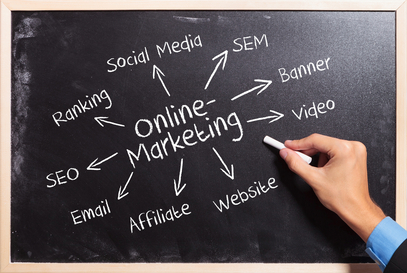 Instead, what you need to do is make sure your website design and infrastructure is put together using Search Engine Optimization (SEO) best practices. These practices help search engines determine when to serve up your website in organic search results (Google, Bing, Yahoo, etc.). You may be asking yourself, “How do I optimize my site with SEO best practices?”
While it may not be rocket science, there are some crucial techniques and exercises that require implementation before you find yourself in the throes of web design/redesign. Without you consideration of SEO practices, you may unknowingly create a site that search engines, not only under value, but underserve.
Keywords
Populate your site and programming code with keywords that will rank highest in search engines. Put them in <title> tags, in the URL, in the website copy, anchor text, headings, etc. ANYWHERE YOU CAN! Make sure you also employ keyword synonyms and alternate copy, being sure to avoid keyword “stuffing” your website. Search engines often frown on that, and you certainly don’t want Google mad at you! Always remember: Keyword-rich = Good. Keyword-stuffed = Bad.
Linking
Inbound and Outbound linking is another great way to improve your rank in search engines. Make sure that the links you have are from reputable sites. Links from .edu, .org, and .gov are mostly reputable, but can be difficult to come by. Generally speaking, the more Inbound, Outbound, and backlinks in your site, the better. Just make sure these sites are useful and relevant to your user-base. Otherwise, search engines will recognize that you are trying to “link overload” and will inevitably give your site a low ranking.
Content
You also need to pay particular attention to the uniqueness of your web content. You can make a website visually stunning [as we’ve said before], but if the content is not useful, unique, or intriguing, no one will visit. Additionally, new content should be continuously added and updated to keep your site fresh. Search engines like when content frequently changes, so try starting a blog or posting articles on a regular basis.
The homepage of a website is especially important. In fact, there are 9 Steps to creating an effective homepage. Check them out here!
By now you’re just itching to go try some of these tips and tricks, right? Before you do, we recommend watching the following video. You’ll learn valuable info that will make your efforts even more effective:
But wait, you’re not done. While these practices will certainly help jump-start your SEO, this is only the first step. It’s crucial to implement lead generation exercises and initiatives in addition to SEO website optimization. Stratus typically recommends an integrated marketing approach; executing a blend of traditional, digital, inbound, and outbound lead generation and consumer awareness tactics is the catalyst for increasing traffic to your website! Check out some of these traffic-driving techniques:
SEO Maintenance Plan:
Now that you’ve optimized your site, upkeep is critical. An SEO Maintenance Plan addresses ongoing ways to enhance your website for SEO purposes.
Consistent creation of fresh, keyword-rich copy and unique, frequent updates to your content is an essential part of an effective SEO Maintenance Plan.
Inbound Marketing:
Landing Pages: Specially designed pages attached to links, advertisements, and marketing initiatives. They drive visitors exactly where you want them to go to learn more or take action.
Call to Action Buttons: Eye-catching buttons that lead visitors to a predetermined target such as a lead capture form, a product purchase, or a site conversion.
Blogging and Social Media:Social media and blogging is being given more and more weight in search engines, so maintaining a diligent social and digital presence is more important than ever. Don’t forget to abide by proper social media etiquette by adhering to the growing list of social Do’s and Don’ts!
Pay Per Click (PPC): An online “silent auction” of sorts, PPC lets advertisers bid on keywords and keyword phrases they think members of their target audience would search to find the products, services, and information on their website. PPC tactics are widely controversial, but if executed strategically, they can produce effective, targeted conversion results. Google AdWords is the industry leader in PPC marketing, so check them out if you haven’t already.
Outbound Marketing Initiatives:
It's easy to get overwhelmed with the over-abundance of outbound tactics. Should you use print marketing, or email marketing? Radio and television ads, or online banner ads? Opportunistic media or traditional outlets? The choices are out there, but before spending your precious budget, you must consider your audience: who are they? To what are they most likely to be receptive? What media channels are they utilizing? Are they adopters of new technology? And so on, and so on, and so on… If you don’t know the answers to these questions, it’s unlikely your ROI will be worth the expenditure. A little bit of marketing research goes a long way, so if you don’t have the manpower to do this internally, seriously consider utilizing an outside marketing agency to help identify and target your primary audiences.
Keep an eye out for future posts with more details about these and other proven marketing tactics that can increase visitors to your site by making you a lean, mean, traffic generating machine!